Grading Confidence: Turning Ideas into Landforms that Move Water Right

Today we explore “From Concept Plan to Site Grading: Teaching Drainage and Earthwork for Landscapes,” guiding you from the earliest sketch to field-ready slopes, safe outfalls, and resilient soils. Expect practical methods, instructive stories, and memorable exercises that help you see water, shape ground thoughtfully, and translate design intent into elevations that build beautifully and perform reliably through real weather, seasons, and wear.

Start With the Land: Reading Water, Soil, and Microtopography

Before a single contour is drawn, learn to read how water already travels, stalls, and disappears across ground that looks deceptively flat. We will connect hydrology, soils, and vegetation patterns with survey data, so your first lines honor reality. These habits reduce redesign, prevent puddles, and build trust with clients, contractors, and communities who depend on landscapes that keep feet dry and roots healthy after the first big storm.

Understanding Small-Site Watersheds

Even a courtyard has divides, shallow bowls, and subtle ridges influencing flow. By walking boundaries, sketching arrows, and noting low door thresholds or planter edges, you map micro-watersheds that decide where water collects. Students who practice this early avoid guesswork later, aligning path crowns, inlet placements, and planting pockets with how the site already wants to move moisture.

Soils, Infiltration, and the Feel of the Ground

A handful of soil tells a story: gritty sand that drains fast, silky silt that crusts, sticky clay that swells and sheds. Simple infiltration tests, texture by feel, and percolation logs reveal capacities and limits. With these facts, you size rain gardens honestly, choose subgrade amendments wisely, and prevent undersized systems from failing during that one unforgiving downpour that tests every calculation and promise.

Survey Literacy: Spot Elevations, Datum, and Benchmarks

Good grading begins with good numbers. Learn to interpret spot elevations, recognize inconsistent datums, and check benchmarks with a level so drawings match the ground. A short anecdote: a studio team avoided a costly redesign by verifying a misplaced benchmark before final submittal. Their simple check saved money, time, and credibility, proving measurement is as creative as any sketch.

Program That Cooperates with Hydrology

Place plazas where grades can crown gently, send play areas away from concentrated flow paths, and locate planting where infiltration helps rather than harms. These early decisions prevent a thousand fixes later. Students learn to present alternatives, explaining how each option manages water while supporting access and views. This habit impresses stakeholders because it connects comfort, safety, and delight with practical storm performance.

Communicating Intent with Honest Diagrams

Simple grading arrows, shaded catch zones, and elevation callouts clarify how surfaces actually work. Ditch the decorative lines that hide uncertainty and instead show slope percentages, breaks, and ridges. In reviews, instructors can trace water with a finger and test the logic live. Clear, brave diagrams invite feedback early, making room for smarter decisions before hard constraints and budgets lock the design into avoidable compromises.

Grades That Work: Slopes, Swales, and the Art of Contours

Comfortable Slopes People Actually Enjoy

Aim for walking surfaces around one to two percent where possible, using landings and switchbacks when steeper grades are unavoidable. Provide crossfalls that drain without tilting strollers or wheelchairs uncomfortably. Explain these choices with empathetic narratives that consider rain, ice, and daily use. When students connect slope numbers to lived experience, their drawings immediately feel more trustworthy, generous, and buildable in real projects.

Swales, Berms, and Gentle Energy Management

A good swale is a conversation with gravity: broad, shallow, and continuous. Pair it with a protective berm where splash or wind might complicate flows. Add check dams to slow velocities and encourage infiltration. Draw centerlines, spot lows, and invert elevations deliberately. Contractors love clarity, and plants thrive when water lingers just enough, feeding roots rather than rushing away with soil and mulch during storms.

Contour Language: Leading, Slowing, and Spreading Water

Contours are sentences written in elevation. Tight spacing speaks of steeper effort; wide spacing indicates rest. Bend lines to steer water away from entrances and toward planted bowls. Mark saddles and knuckles so machinery can shape transitions smoothly. In critiques, read contours aloud, explaining their intent. This practice builds literacy that shortens RFIs, prevents guesswork, and keeps both budgets and expectations aligned with achievable earthwork.

Drainage Systems: Surface Clarity and Subsurface Reliability
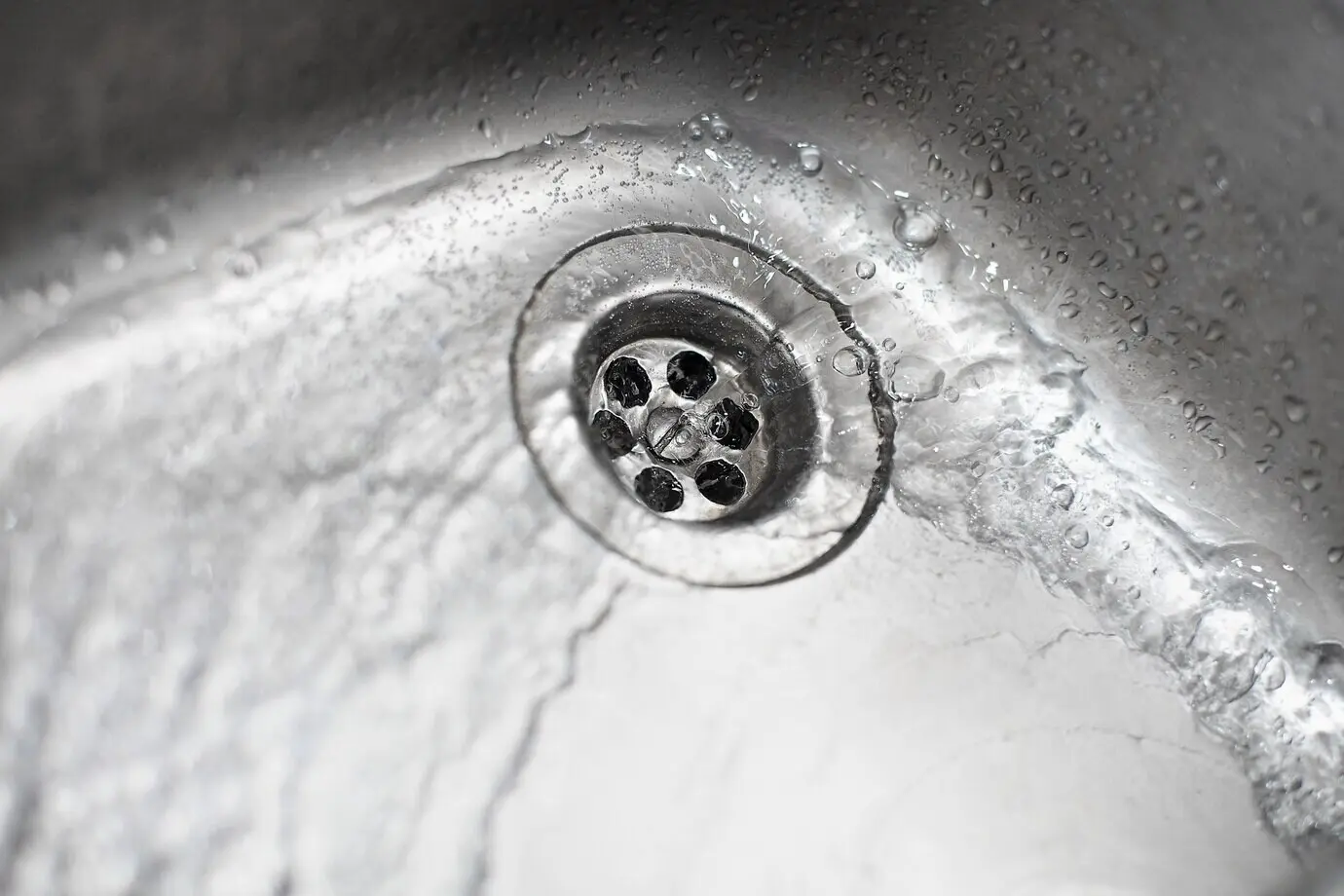
When surface grading cannot carry everything, strategic structures provide safety and redundancy. Learn when to rely on crowns, crossfalls, and curb openings, and when to add perforated drains, cleanouts, and daylighted outfalls. We will weigh maintenance realities, filter fabrics, and inspection access. With honest details, these systems stay serviceable for years, protecting investments while supporting healthier soils, durable pavements, and thriving plant communities.

Earthwork Execution: Cut, Fill, Balance, and Buildability

Earthwork planning translates beautiful drawings into efficient operations. Learn to estimate volumes, stage material, and maintain safe access routes for machinery. Balance cut and fill to reduce trucking while protecting tree roots and utilities. Thoughtful sequences minimize erosion and rework, while compaction targets preserve infiltration where needed and support pavements elsewhere. This coordination turns grading from a headache into a confident, collaborative construction effort.

Teaching and Feedback: Studios, Field Labs, and Shared Learning
Learning sticks when ideas are measured outdoors. We pair desk critique with rainy-day walks, stringline experiments, and gentle competition that rewards clarity and buildability. Students narrate flows, present grading logics, and revise rapidly. Instructors offer targeted rubrics tied to real performance outcomes. Join the conversation in comments, share site photos, and subscribe to receive field exercises and worksheets that turn understanding into durable practice.
Qualavistonia
Privacy Overview

This website uses cookies so that we can provide you with the best user experience possible. Cookie information is stored in your browser and performs functions such as recognising you when you return to our website and helping our team to understand which sections of the website you find most interesting and useful.